Wonder Wednesday 14 Refreshed: Pumpkin Estimation
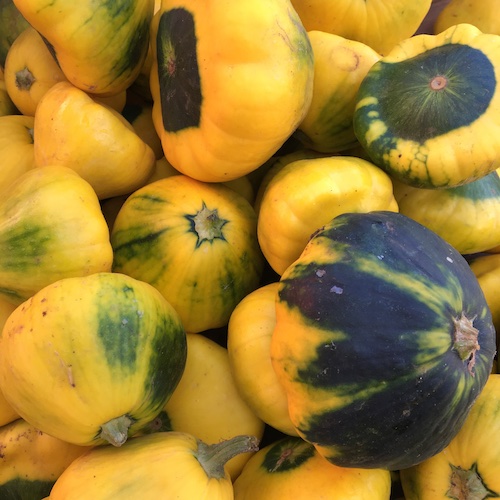
Link the field to the kitchen to the classroom!
In my estimation, pumpkins are pretty cool fruits (yep fruits) These cooking and tasting activities use items you could go to a farm and get, bring back to school, and enjoy through learning and eating!
Schedule a field trip to the pumpkin farm, bring back some pumpkins of different sizes (for eating and experimenting on) and get started! Your taste buds will thank you!
This project is laid out a bit differently than normal because it's divided into a cooking project with seeds and a project with the actual pumpkin fruit. Be sure to read though it completely to decide which you'll do - or which order if you're doing both.
You may want to fill your baked pumpkins with the seeds you toasted! Easy! & Try mix matching sweet and savory!
Get creative there is no wrong way to do this - and remember to incorporate some history, geography, botany, zoology, ethnobotany, and economic geography work & research in to this project! It is "ripe" for them all! And most of all, last but not at all least - incorporate math!
Estimation is excellent to do with pumpkins. Explore fruit weight, how many seeds based on dimensions, weight of seeds before and after toasting, estimate the length of the vines, whether sweet or savory recipes will be more popular - there is no end to the estimations and comparisons you can do with pumpkins! And remember to make graphs and charts of the estimations and the findings!
History:
Pumpkin, of the family cucurbita, is native to the Americas. But the name pumpkin is actually a common descriptor for winter squash of a few varieties. It can be used specifically to describe the orange round fruits we carve at Halloween and make pie out of, or it can be used commonly to describe winter squash generally.
C. pepo pumpkins are among the oldest known domesticated plants on Earth! Scientists have discovered evidence of cultivation in Mesoamerica way back to between 7000 BCE and 5500 BCE! It was originally a food enjoyed by large mammals like the mastodon, who spread the seeds around the Americas through their dung. After extinction, the C. pepo variety "partnered" with humans who cultivated it into the varieties we enjoy today in part through the 3 sisters planting method - and also spread the seeds when migrating through their dung!
(source -Smithsonian Natural History museum)
Wild species of Cucurbita and early domesticated "pumpkins" have been discovered as being native to parts of what we now call northeastern Mexico and the southern United States. There are many many cultivars of cucurbita now and they are grown across the globe for culinary, decorative, and other delights!
Botany:
Pumpkin fruits are a type of berry known as a pepo. Have you ever heard pumpkin seeds called pepitas? Well now you know where the name came from!
Most pumpkins and winter squash are a warm weather crop that is grown in the warm, frost free, months and harvested in the cooler months. Pumpkins grow on a long vine with broad hairy leaves that bear golden yellow male and female flowers, and can hold many fruits. There are a few heirloom high humidity hot weather varieties as well - including the Seminole Pumpkin, which looks less orange and round and more like a butternut squash and tastes delicious!
The smallest variety classic pumpkin fruits weigh about 3-4 ounces. This variety is called "Jack Be Little". The largest recorded pumpkin weighed 3,156 pounds! This variety is called "Giant Pumpkin" - for obvious reasons! The average carving pumpkin weighs 9-14 pounds. The average pie pumpkin is smaller and sweeter, weighing 5-10 pounds.
Pumpkins are usually pollinated by squash bees, ground bees, and bumblebees. These bees are more suited to the large pollen grains of the winter squash flowers. Some home gardeners also hand pollinate their plants for maximum production - particularly in places where environmental pesticide use has diminished bee populations. The squash vine borer is a predator of this plant.
Wonder Wednesday 14 - refreshed - Pumpkin Estimation!
Materials
Seeds:
pumpkin seeds
Organic olive oil
Sea salt
Unrefined organic sugar
Organic cinnamon
Pumpkins:
Small hand size pumpkins
Sweet Ingredients: organic brown sugar
Savory Filler Ingredients: organic brown or wild rice, finely chopped organic celery, fresh picked and squeezed orange juice, and dried cranberries.
Seeds (aka pepitas)
Preparation:
Preheat oven to 350˚
Clean most of the pulp off the seeds and dry well before starting. This is a great job for the students to do. The drier they are to start, the crunchier they will be to finish.
Procedure:
Salty: In a bowl, toss a few tablespoons of olive oil and a few teaspoons of sea salt with the seeds, making sure they all get coated.
Sweet: In a bowl, toss a few tablespoons of olive oil and a couple tablespoons of natural sugar, a teaspoon of cinnamon, and a dash of sea salt with the seeds, making sure they all get coated. If you want to get fancy and live where there are fresh oranges or apples to pick, you can juice an apple or an orange and add a couple teaspoons of the juice to the oil. You could also just add orange zest.
You will have to adjust your measurements depending on how many seeds you have, but you really can’t mess it up. If it tastes good pre-baked, it will taste even better after you bake them.
Bake the seeds:
Spread on a baking sheet and bake for about 30 minutes until golden. You may want to shift them around a couple times to make sure they all toasty.
Let cool and enjoy! You can choose to eat the shells, spit them out, or remove them before eating. Eaters choice!
You can also take the seeds, grind them into pumpkin nut butter and enjoy on homemade bread! (Maybe with cranberry jelly, apple butter, or orange marmalade?) Yum! If you decide to do this, they will definitely need to be shelled first. Only grind the little green seed inside. You will need a nut butter grinder, special blender, or juicer with nut butter capabilities to do this.
Pumpkins
Preparation:
Cut about a third off the top of the pumpkin (like a lid) and scoop out all the seeds and fibers, make sure there are none on the top also
Preheat over to 375˚
Procedure:
Sweet: add a few teaspoons of organic olive oil and organic brown sugar to each and brush around making sure the entire inside and inner side of the top is coated.
Put the lid on the top, put in a baking dish, add 1/3 cup of water, and bake for about 45 minutes or until tender. Let cool a little bit and then enjoy.
They are perfectly delicious on their own, but if you want to get fancy, you can add ice cream, pudding, or a sweet filler of your choice.
Savory: add a few teaspoons of organic olive oil to each and brush around making sure the entire inside and inner side of the top is coated.
Put the lid on the top, put in a baking dish, add 1/3 cup of water, and bake for about 45 minutes or until tender.
Prepare the filler-
The amounts will depend on how many you are feeding, but think about a half cup of cooked rice per pumpkin to average.
Boil the rice with a 2 to 1 ratio for about 45 minutes or until soft (or as the directions recommend).
Add the celery and cranberries to the rice and toss. Add more as seems appropriate. There should be a nice ratio.
Add about 3 tablespoons of the juice, a tablespoon of olive oil, and a dash of sea salt. Toss and taste. Add more to your quantity and liking.
Then fill the pumpkins with the rice mix and enjoy!
Seeds to Sprout
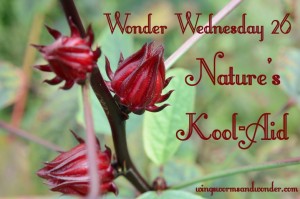
Nature's Kool Aid
Keep with the fall harvest holiday theme and brew up some of your own sorrel tea! It would go great with pumpkin delights and link Mesoamerican and AfroCaribbean culture and history with the kitchen science!
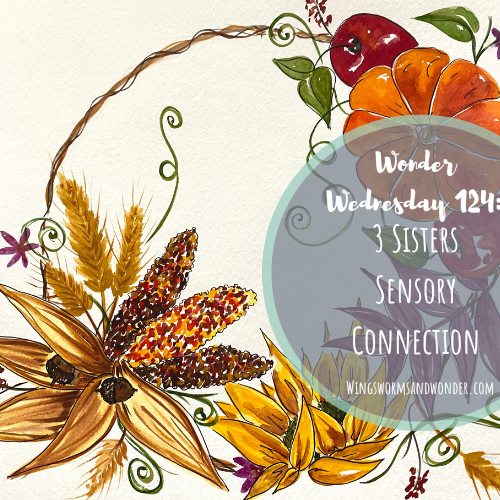
3 Sisters Solace
Relax and connect with nature through this Wonder Wednesday 124: 3 Sisters Sensory Connection guided audio observation!
And learn a bit more about the history of the 3 sisters planting method.
Process Project!
Just like there is no wrong way to prepare a pumpkin, there is no wrong way to play with process art! Cut loose from the stress and have some fun playing with paint in this Wonder Wednesday 62 Live replay with bookmaker, poet, and journaler Kiala Givehand!