Wonder Wednesday 12: Place-Based Scavenger Hunt
Scavenging?
This month's Wonder Wednesday 12 refresh, let's get out exploring the wonders of the places we live - physically and metaphorically! There is lots of potential for tying this activity into science, art, creative writing, and language mechanics at all levels.
This activity is a great way to get to know the places we live, learn, visit, and explore. It is also a great team building exercise for any age! What better way to get to know each other than through a scavenger hunt!!
Out of the Box Bonus Fun:
This activity has immense potential to tie in to learning and life. Each topic can be interpreted literally & concretely (aka the physical item, metaphorically (aka as a representation of something local to the community or perhaps in something cultural and intangible like an idea or belief), and creatively (aka perhaps collect items to build or create the scavenger item) or better yet all of the above and more!
Think outside the box in every way possible with this - although what the parameters of the box are and what constitutes in our out of it will, of course, depend on the age and experience levels of the students.
With less experienced students you could even do this scavenger hunt multiple days in a row focusing on a new way of interpreting the items in the list.
Natural World Extensions:
During Part 2, take a field trip to a local natural history museum to speak with experts, discover more about species and topics, and spark enthusiasm during the research phase.
Have the students continue to nature journal during this entire project on anything they choose so they don’t feel trapped in their own topic.
Have the students present their findings to other classes, to parents, or in the community in a special “get to know your backyard” type of event.
After the presentations, create a local field guide that can be distributed to parents and/or the community.
Check out the Seeds to Sprout section for more nature scavenger hunt activities and projects - there is so much potential with this concept!
List of Steps
Materials
Paper
Clipboards
Pencils, colored and/or regular
Crayons for rubbing
Field bags (including but not limited to: tape measures, magnifying glasses, & bug boxes)
Optional: Digital camera
Field guides
Local history and natural history resources
Presentation materials such as posters, markers, rulers, glue, print offs
Preparation
Create these simple scavenger lists that will be assigned 1 to each team.
You may need to chose the list topics depending on the what is available in your environment, the age of the children, and skill level, so use them as a jumping off point to customize.
Depending on how many students you have and the age of the children, you may choose to assign each group 2.
Scavenger group hunt topic suggestions:
Insects
Fish
Amphibians
Reptiles
Birds
Mammals
Fungi
Flowering Plants
Trees
Procedure
Part 1:
Explain that they will be going out into a designated environment (schoolyard?) to discover what type of life lives in the area.
While scavenger hunting, they will need to try to discover 3-5 different types of examples of their topic.
When they find them, they should document as much information as possible including size, color, what is it doing, where did you find it, what was the surrounding habitat like, was it alone?
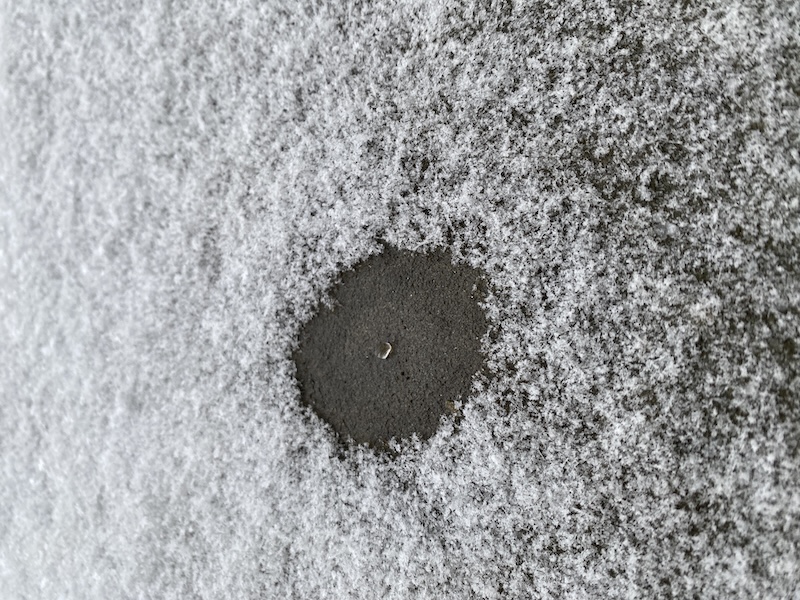
Then as appropriate, take photos, rubbings, and make drawings of the discoveries.
Remind them of safety precautions when dealing with wild animals and that the community rules apply when it comes to picking.
Part 2:
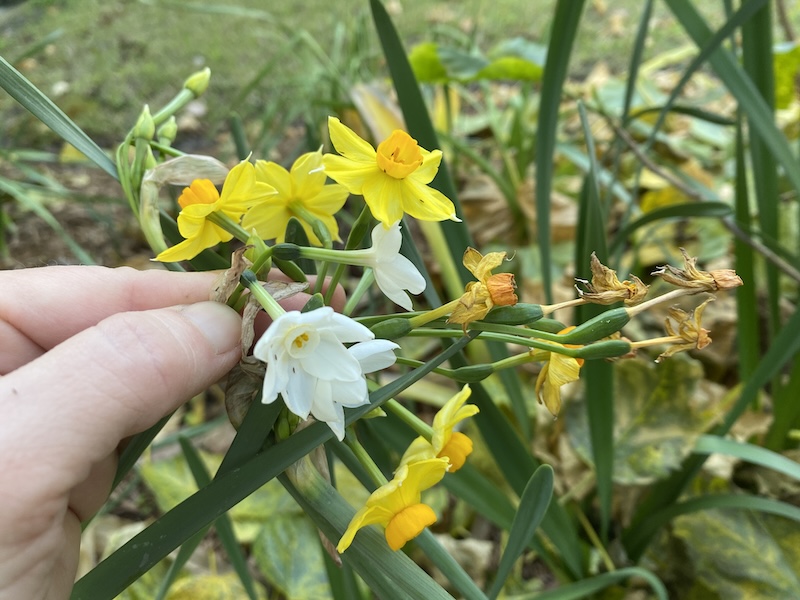
After they have collected and observed, provide local field guides and resource materials for the groups to compile a research presentation of the species they discovered in the area.
Explain that they will be presenting their findings and that the presentations should include the common and latin names of the species they found, habits, habitat, food sources, needs, is the species native to the area/naturalized/invasive, any predators, any protections, is it migratory, if it’s a plant is it: annual/perennial/deciduous/poisonous/does it have a use for humans, and any other history or culturally relevant information that may be interesting about their species.
Have participants create a visual aid to accompany their presentation including pictures, drawings, rubbings, a quick fact chart, or whatever is appropriate to their subject. Get creative!
Part 3:
Have each group present their findings on their place-based discoveries to the group.
After every group has presented, go back outside for a nature walk and see if the group can identify each other’s discoveries.
After the walk, create space for an outdoor circle time where everyone can share what they observed, discovered, and noticed new based on the presentations.
Seeds to Sprout
Wonder Wednesday 67
In this scavenger hunt discover learn to read the book of nature and signs of seasonal changes - spring specifically in this case.
PDF printable included.
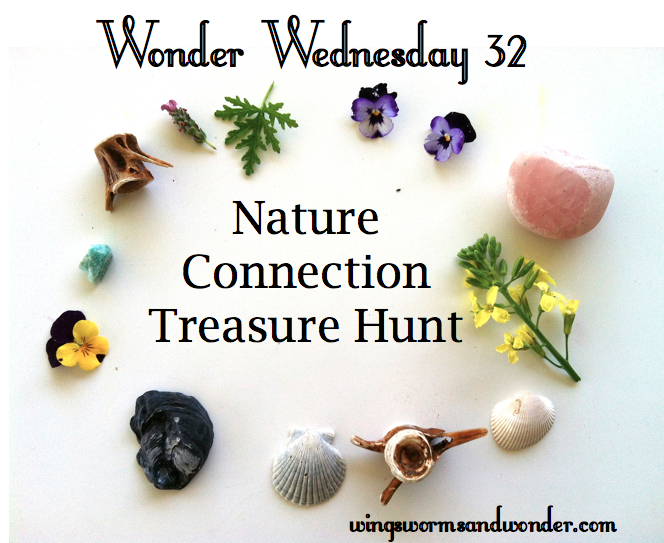
Wonder Wednesday 32
Let's look for nature treasures! In this abstract "hunt" discover what glimmers of nature shine like treasure to your eye! PDF printable included.
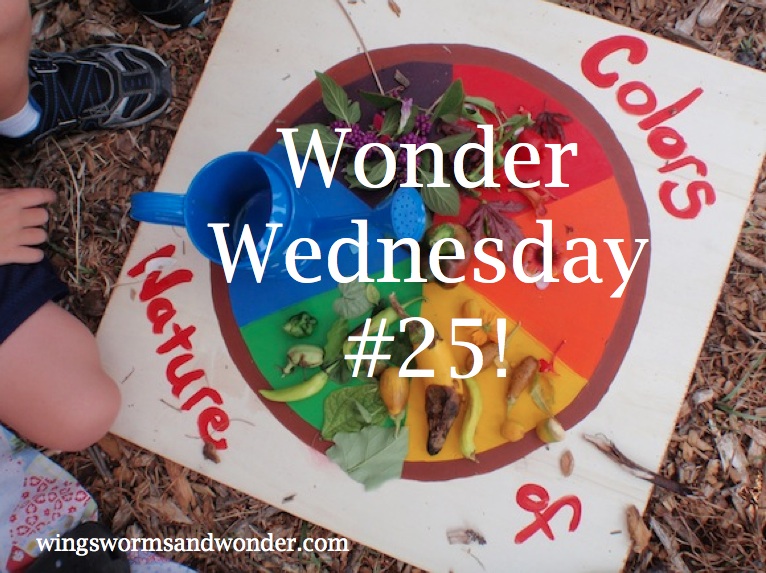
Wonder Wednesday 25
This Color scavenger hunt is one of my all time favorite Wonder Wednesday activities. Discover all the shades, tints, and hues found in the garden, schoolyard, or backyard and tie art in with nature! You'll even find a version of this one in my book Wings, Worms, and Wonder.