Wonder Wednesday 11: Writing with Your Senses by Joanna Tebbs-Young

The Story
I am so happy to (re)present this amazing guest post series by superb writer, journal instructor, and blogger @Wisdom Within Ink, (+grad school cohort friend), Joanna Tebbs-Young. I've combined her two previous guest posts on the value of journaling with children and on writing with your senses into one - because they are so great.
Take it away Joanna!
“The journal is a place to nurture what is best within the self, and I think children understand that.” — Lucia Capacchione, The Creative Journal for Children
At a writing retreat a few years ago, we were asked to find a spot outside that called to us. I lay down in the cool green of soft grass and wrote a few lines to the small, upturned faces of yellow flowers peeking from behind a rock. They were both my meditation and my muse. I felt cradled and loved by the earth, calmed and happy. I sat firmly in that moment while recording it for another.
Diarist, Anais Nin once wrote, “We write to taste life twice, in the moment and in retrospect.” If a child first experiences the wonders of nature and then expresses the emotions evokes by it through creative expression, s/he has indeed enjoyed it and benefitted from it twice. By encouraging them to interact with nature through writing, children can connect to nature on level beyond the sensual.
Journaling is an extremely flexible and beneficial method for children to explore their creativity, express their emotions, and discover their own inner world – as well as connect on a deeper level with the world outside.
Janell Moon in The Wise Earth Speaks to Your Spirit, writes, “I discovered that imagination, writing, and nature led me to a place where I belonged… I filled notebooks that explored how I was part of the whole earth, nature, and all living things.”
Why Journaling is Helpful for Children:
There are many more reasons why it is helpful for children – even pre-writers – to keep a journal, nature-based or otherwise. Whether it is pages of healthy scribbling, a self-portrait in thick crayon, a retelling of an experience, or a complex fantasy story featuring themselves in the lead role, any self-expression has been proven to improve both physical and mental health. For example, the very act of writing down emotions has been found to promote healing, regulate emotional extremes, and reduce anxiety (resulting in less illness and missed days of school). Pair this with the benefits of being in nature and you have a recipe for a happier child.
So, next time you’re outside with the kids, take some paper and writing/drawing utensils. Let them connect to the earth and connect to themselves through the wonder of words. (And, of course, adding drawings makes it even better!)
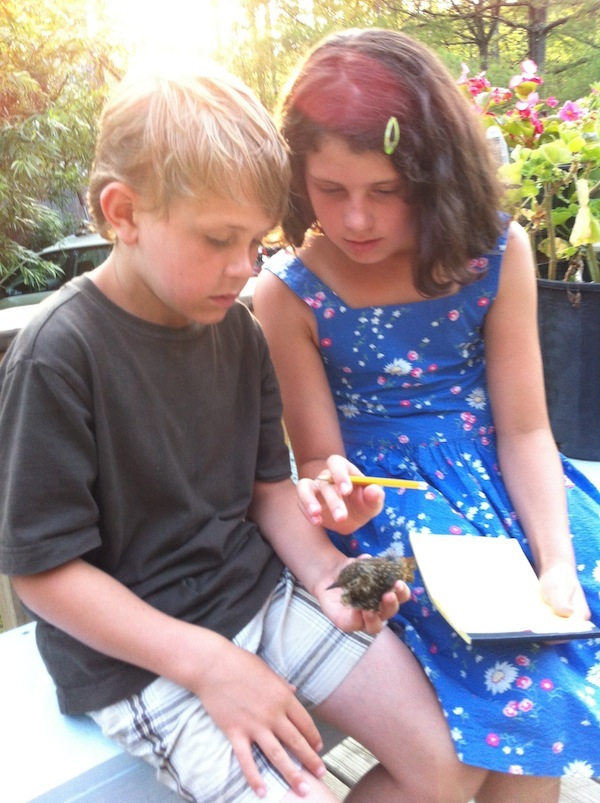
Lucia Capacchione, founder of the Creative Journal Method and Inner Child work, lists in her book, The Creative Journal for Children the many benefits of journaling for children:
- Privacy of journal is Safe and Relaxing (freedom from judgment or failure) and encourages Honesty (with self), Spontaneity and innate Creativity and Imagination.
- Writing and drawing practice (verbal and nonverbal expression) encourages and enhances Communication skills, Brainstorming skills, and develops and integrate both Right and Left Brain functioning.
- Encouragement of Emotional Release allows for acceptance of feelings, Self-Understanding, Self-Confidence and Self-Discovery (of own beliefs, desires, and talents).
Some Ideas for Sensory Inspired Writing:
Here are just a few sensory journaling exercises that work well when writing a nature journal (based on techniques found in Kathleen Adams’ Journal to the Self):
- Character Sketch: Describing a daisy, a rock, a red pepper, etc. using all the senses to create luscious detail
- Snapshot: Describing a moment in time as if you were painting a picture with your words, again using all the senses to help others “see” it
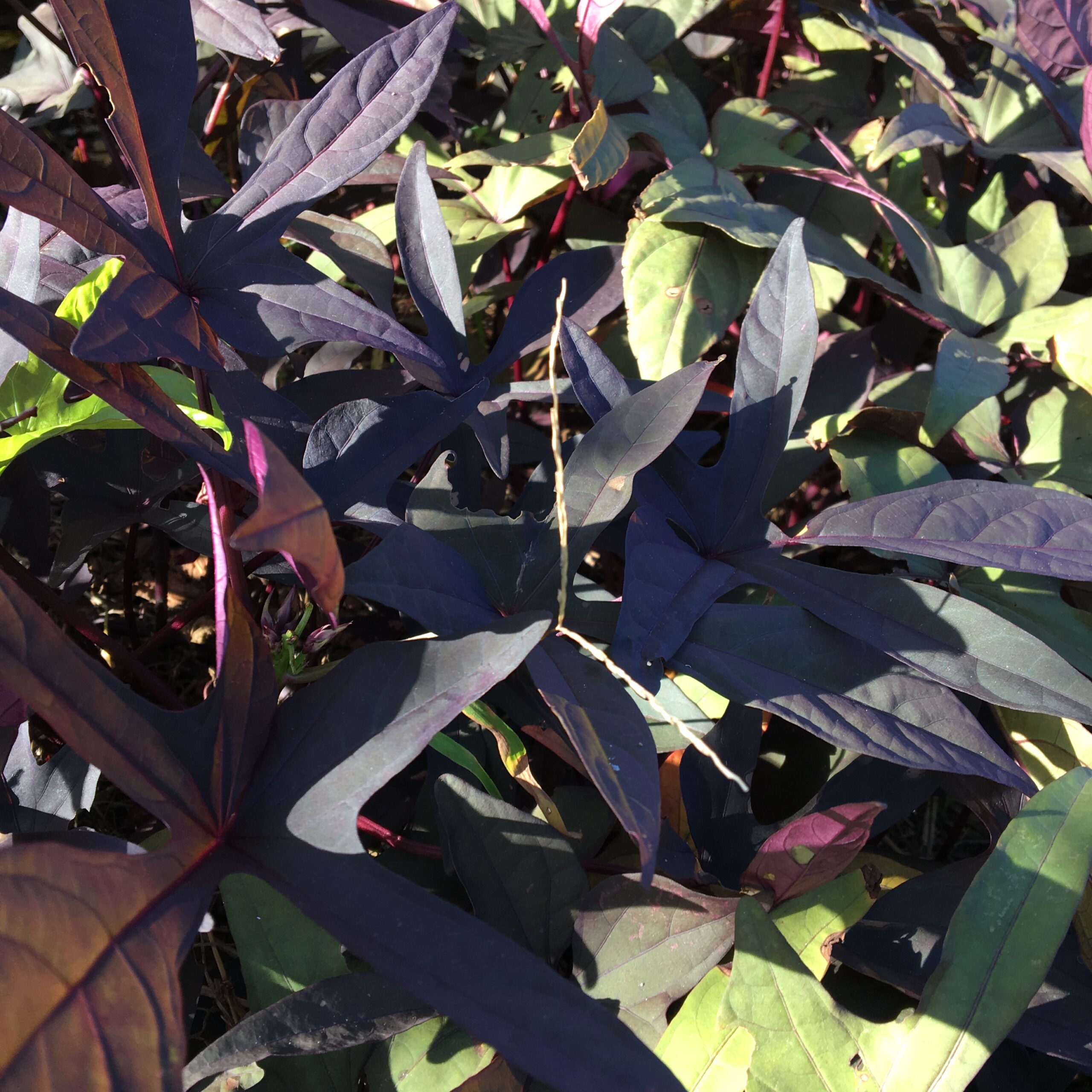
- AlphaPoem: Use each letter in the name of a flower, tree, vegetable, place in nature, etc. as the first letter of a line of poetry.
- Nature poem: Wax lyrical about what you see in the soil, in the trees, over the hills, in the clouds, etc.
Wonder Wednesday 11: Writing with Your Senses (& Children)
Materials
Pencil
Paper
A bit of nature or an object of some sort
Optional - Any other writing or drawing materials you like!
Preparation
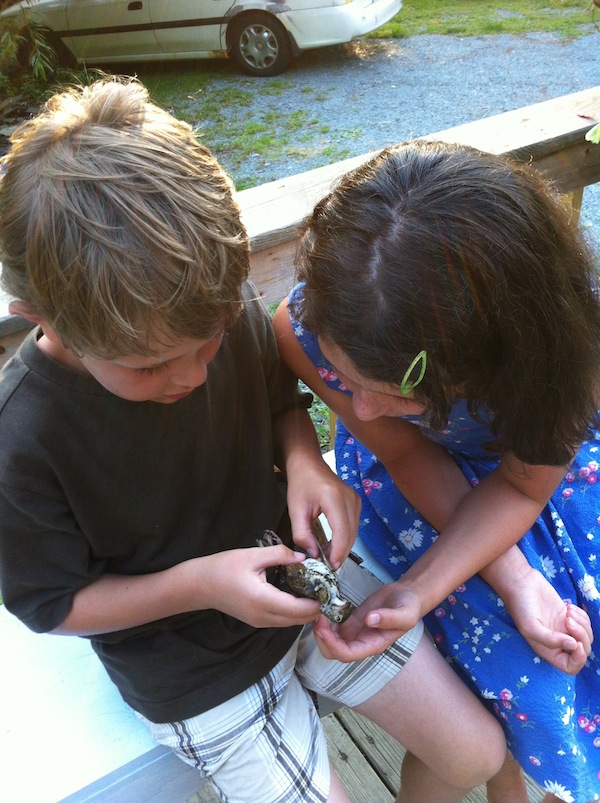
Look around and choose one thing to focus on: the big shade tree, the worm wiggling in the soil, the soil itself, the water in the watering can…
Procedure
Look at it for a while: What does it look like? What shape do you see? What colors? Does it remind you of anything else?
Write it down.
Touch it. Hold it if you can, feel it in/on your fingers, your toes: What does it feel like? Does it feel like anything else?
Write it down.
Smell it. What does it smell like? Yucky? Sweet? Like nothing at all? Does it smell like anything else you know of?
Write it down.
Listen to it: Put your ear close. Do you near anything? Is it buzzing or slushing or squeaking? Is there no noise at all?
Write it down?
Taste it: DON’T taste anything unless you have checked with an adult that it is ok! If it is… What does it taste like? What does it feel like on your tongue?
Write it down.
Feel it: What do YOU feel like inside when you look at it, touch it, smell it, listen to it, and taste it? Happy, calm, excited, curious…?
Listen to the words inside your body and write them down (or draw a picture of you showing how you are feeling).
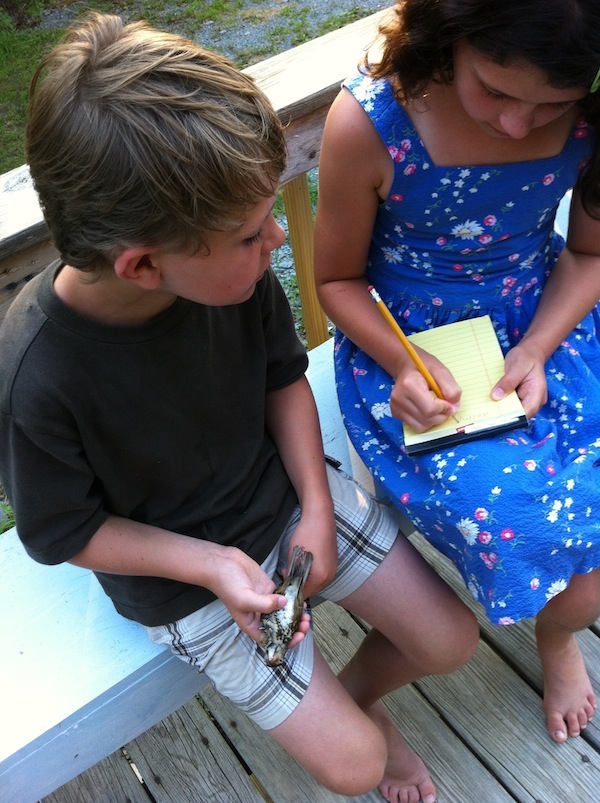
Thank you Joanna for all these great resources, ideas and tips! Check out Joanna's work and find more writing and journaling guidance at Wisdom Within Ink.
Seeds To Sprout

Wonder Wednesday 142: Polaroid Painting
Paint snapshots of the world around you in the formal of a Polaroid picture!
Wonder Wednesday 136: Window Listening
Hone your deep listening skills and then journal about what you hear!
Wonder Wednesday 124: 3 Sisters Sensory Connection
Learn about the 3 Sisters Indigenous gardening method and try out a guided 3 Sisters inspired sensory observation recording - then write about it!